How to Convert Seconds Into Hours
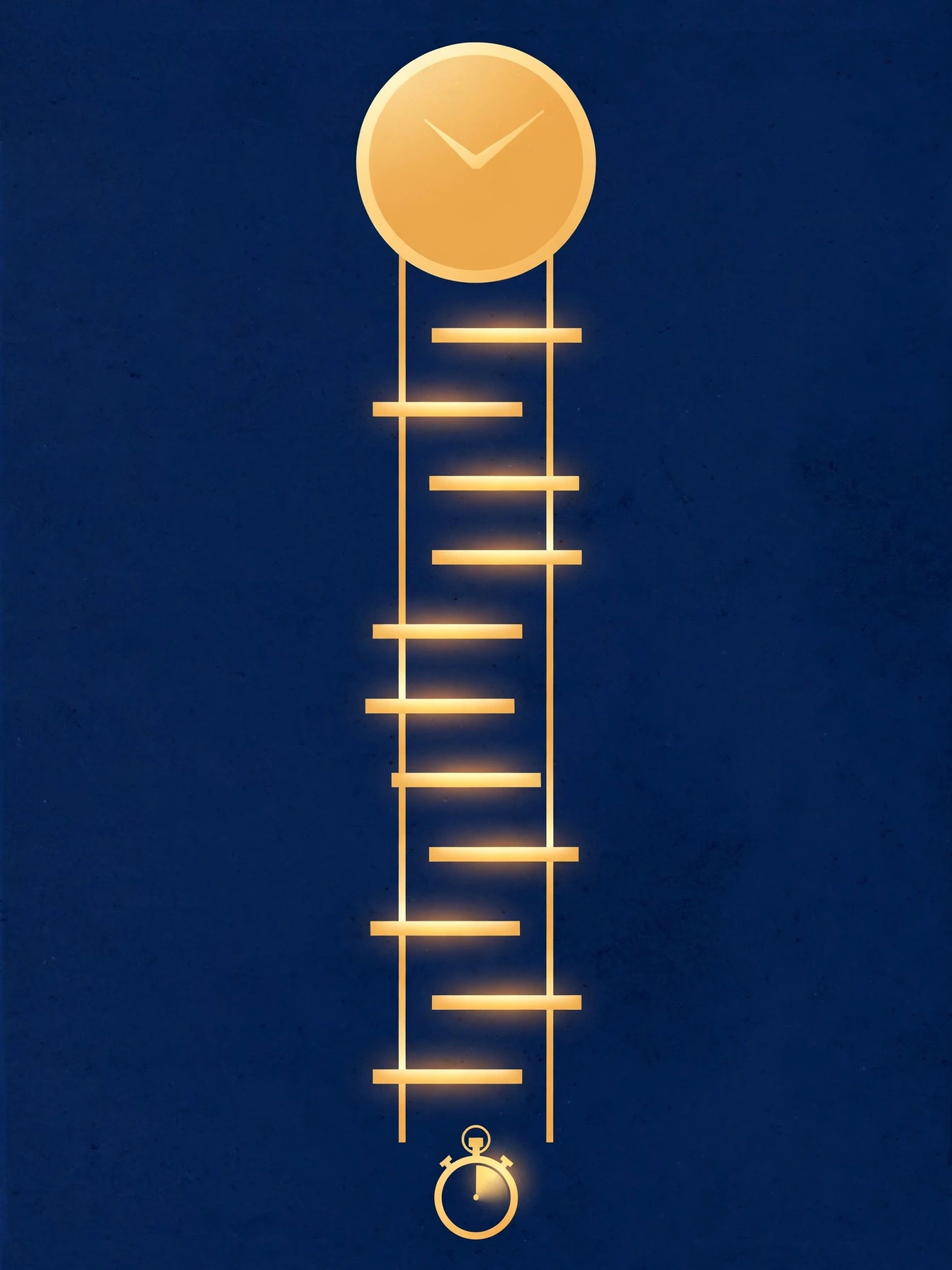
The ladder has two rungs
Seconds become hours by climbing two rungs: divide by 60 to get minutes, divide by 60 again to get hours. Combined, that is dividing by 3,600, the number of seconds in an hour. So 7,200 seconds is exactly 2 hours, 10,000 seconds is about 2 hours 47 minutes, and 86,400 seconds is a full day. The remainder after the hours is handled in minutes and seconds: divide what is left by 60 once more. Keeping the ladder in view matters, because the commonest error is stopping after one rung and reporting minutes as hours. Athletes live on this ladder: a marathon in 7,200 seconds is a two hour marathon, and split times are just the ladder climbed partway. Timing chips report in seconds or milliseconds precisely because the ladder makes every longer unit a clean division rather than a fresh measurement.
Landmarks for big numbers
Second counts appear in computing, science and sport, and a few landmarks make them readable. A thousand seconds is about 17 minutes. A million seconds is about eleven and a half days, a fact that surprises almost everyone. A billion seconds is nearly 32 years, which is why the two numbers feel similar in headlines and are wildly different in reality. When a system reports an uptime or a duration in seconds, translating it through the landmarks into days or years is the fastest way to judge whether the figure is impressive or broken. Computers report durations in seconds for the same reason: the Unix timestamp counts them, logs subtract them, and uptime figures inherit them. An uptime of 8,640,000 seconds sounds like a lot until the ladder turns it into a hundred days, which is the judgement the raw number was hiding.
Precision cuts both ways
Converting down loses nothing; converting up invents precision if you are careless. An event timed to the second converts to hours with a remainder that matters, while a rough estimate of about two hours should not be inflated into 7,200 seconds as if it were measured. Match the precision of the answer to the precision of the input. And in scientific settings, watch for milliseconds and microseconds wearing the same costume: the ladder is the same, but each extra rung of a thousand changes the answer's meaning completely. When a conversion matters, write the ladder out rather than trusting a single division: seconds to minutes to hours, with the remainders noted. The two step form shows its working, and a reader, or your future self, can check it at a glance.